


Key Takeaways
- Zeiss expanded its Retina Workflow at EURETINA with new technologies spanning retinal imaging, surgical visualization and vitreoretinal surgery
- The new Alta Duo 300 combines automated OCT and fundus imaging in a single system, while the HMDmd CR3 adds a head-mounted 3D visualization option for the Artevo 850 surgical microscope
- Zeiss reported new data and broader availability for the 27-gauge TDC Veloce vitrectomy cutter and announced that the DORC portfolio is transitioning under the Zeiss brand
Zeiss announced a series of developments across its Retina Workflow at the European Society of Retina Specialists (EURETINA) Congress in Vienna, expanding its offerings in retinal imaging, surgical visualization, digital workflow technology and vitreoretinal surgery.
The updates include the new Zeiss Alta Duo 300 multimodal imaging system, a head-mounted 3D visualization option for the Zeiss Artevo 850 surgical microscope, expanded availability and new clinical data for the DORC TDC Veloce vitrectomy cutter, and the transition of the DORC portfolio under the Zeiss brand.
The company said the developments are intended to create a more integrated retinal care workflow spanning diagnosis, treatment planning, surgical intervention and patient follow-up.
Alta Duo 300 combines OCT and fundus imaging
Zeiss is expanding its retinal imaging portfolio with the Alta Duo 300, a fully automated multimodal system combining optical coherence tomography (OCT) and fundus imaging in a single device. The system is designed to simplify image acquisition in routine retinal care and provide clinicians with access to essential diagnostic information through a single platform.
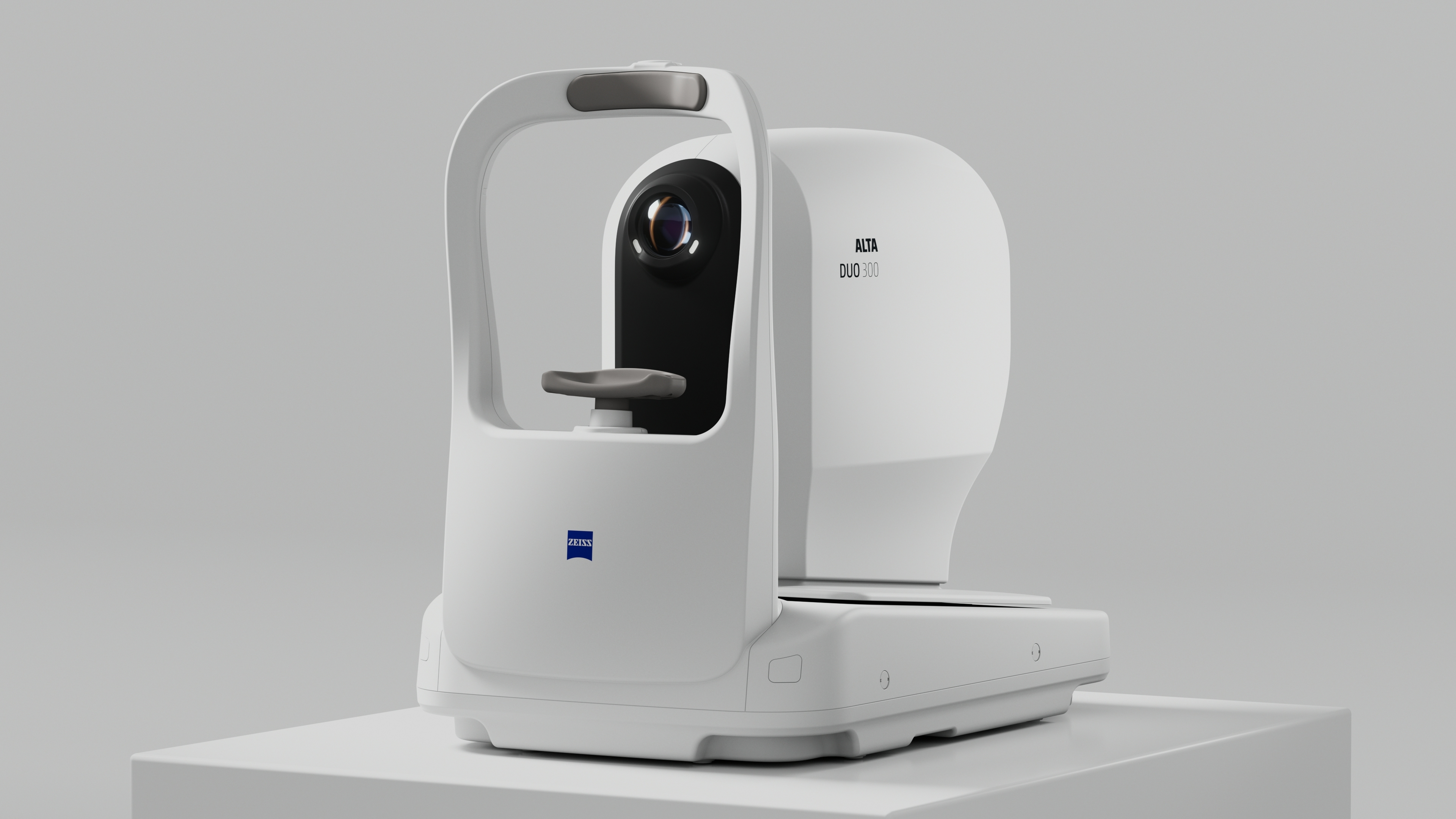
Alta Duo 300 joins the company's existing Cirrus OCT and Clarus fundus imaging systems. According to Zeiss, the addition is intended to give eye care professionals greater flexibility in selecting an imaging platform based on their clinical and practice requirements.
“Seeing all relevant data in one place supports real-time, data-driven decisions,” said Matthias Bolz, director of the Clinic of Ophthalmology at Kepler University Clinic Linz in Austria. “This clarity helps streamline our daily practice, shorten procedure times, and improve outcomes, while also enhancing patient trust and engagement from screening through follow-up.”
Head-mounted display expands Artevo 850 visualization
Zeiss also announced a new head-mounted 3D visualization option for its Artevo 850 surgical microscope.
The HMDmd CR3 connects to the microscope through a plug-and-play configuration and provides surgeons with access to the Artevo 850's digital visualization functions and data overlays. The system supports features including DCA, SmartDoF and AutoExposure, along with adjustable RGB LED light temperature and immersive 3D visualization.
According to Zeiss, the head-mounted display provides another visualization option intended to support surgeon ergonomics while maintaining access to digital information during procedures.
Surgical dyes surpass 3 million uses
Zeiss also highlighted a milestone for DORC ILM-Blue and DORC MembraneBlue-Dual surgical dyes, which the company said surpassed 3 million uses this year.
The dyes are intended for staining the inner limiting membrane (ILM) and epiretinal membrane (ERM) during vitreoretinal procedures. When used with the digital filters of the Artevo 850 surgical microscope, they are designed to enhance visualization and contrast of the targeted membranes. ILM-Blue selectively stains the ILM, helping distinguish it from the underlying retina. MembraneBlue-Dual is a 2-in-1 formulation designed to stain both the ILM and ERM with a single injection.
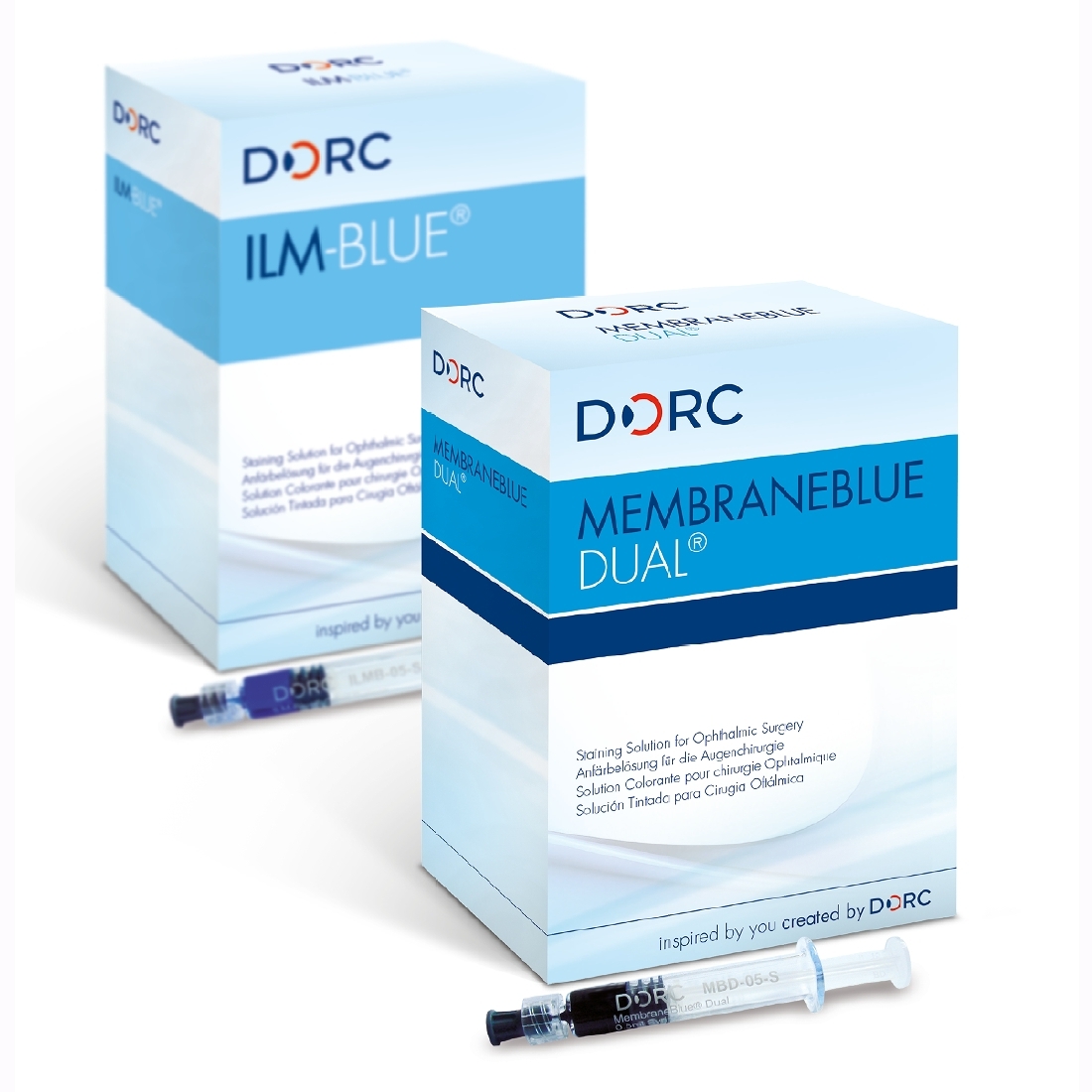
Both formulations incorporate a 4% polyethylene glycol carrier solution. According to the company, this allows the dye to sink toward the fundus as a cohesive bolus after injection into a balanced salt solution-filled eye, limiting diffusion and concentrating staining on the targeted tissue.
TDC Veloce expands availability
Zeiss also reported continued expansion of its DORC TDC Veloce 27-gauge two-dimensional vitrectomy cutter, which was introduced in select European markets in 2025.
The company said clinical data comparing the newer cutter with its predecessor suggest that increased flow with the 27-gauge TDC Veloce can result in up to a 41% reduction in core vitrectomy time.
“Building on its predecessor, the new vitrectomy cutter DORC TDC Veloce takes the combination of safety and efficiency to an unprecedented level,” Mitrofanis Pavlidis, MD, director of Augencentrum Köln and co-developer of the device, said in the announcement.
Zeiss also reported that sales of DORC EVA and EVA Nexus systems have surpassed 3,000 installed units worldwide.
DORC transitions to Zeiss brand
The company also announced another step in the integration of DORC into Zeiss, with the DORC brand moving under the Zeiss name.
Zeiss said customers will retain their existing contacts, contracts and support while gaining a single point of contact and broader access to the company's ophthalmic portfolio.
The branding transition further integrates vitreoretinal surgical technology into the broader Zeiss Retina Workflow, as the company works to connect diagnostic imaging, data management, surgical visualization and posterior segment surgical technologies within a unified ophthalmic portfolio.
