


Key Takeaways
-
TECLens treated the first patient in its first-in-human clinical trial of qCXL, a noninvasive vision correction technology designed to reshape and strengthen the cornea without cutting or removing tissue.
-
The CXLens system delivers personalized, patterned UV light using a proprietary treatment planning engine and real-time monitoring.
-
The study focuses on refractive errors, particularly presbyopia, positioning qCXL as a potential first-line alternative to surgical vision correction.
TECLens announced the treatment of the first patient in its inaugural first-in-human clinical trial evaluating its proprietary quantitative corneal crosslinking (qCXL) technology for noninvasive refractive vision correction.
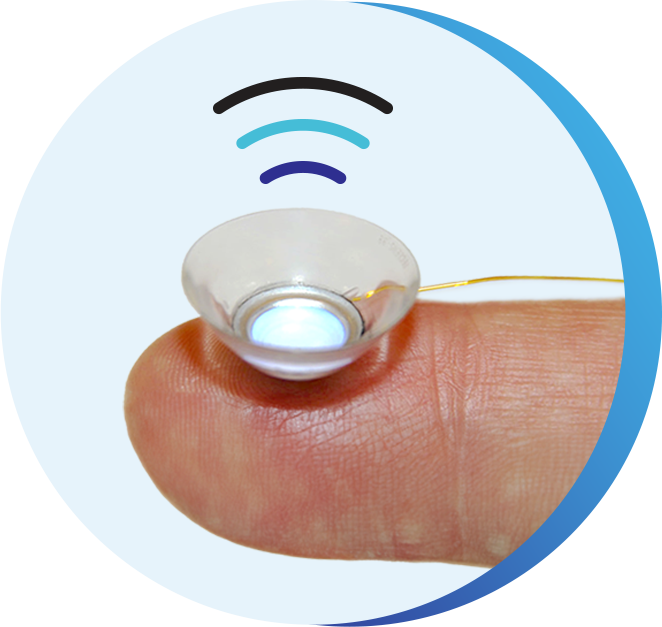
The clinical study is evaluating the safety and efficacy of TECLens’ CXLens system, a novel platform designed to deliver personalized, patterned ultraviolet (UV) light to reshape the cornea while preserving the epithelium. Unlike traditional surgical refractive procedures such as LASIK or PRK, which involve cutting or removing corneal tissue, qCXL creates new molecular bonds in precise locations within the cornea. These bonds strengthen targeted areas, prompting controlled reshaping of the corneal surface to improve vision.
CXLens integrates a proprietary treatment planning engine that enables physicians to design individualized, precision treatment plans. The system also incorporates real-time ultrasound-based biomechanical monitoring to ensure that the treatment is executed accurately and concludes automatically once the desired correction has been achieved.
“This first-in-human trial represents a transformative moment not just for TECLens, but for the field of vision correction as a whole,” said Thomas Dunlap, CEO of TECLens. “We're introducing an entirely new category in ophthalmology by bringing vision correction out of the operating room and into the exam room, without surgery. Our qCXL technology has the potential to expand treatment options for millions of patients as a first-line treatment for vision correction for both refractive errors and presbyopia.”
The current study is focused on patients with refractive errors, with particular emphasis on presbyopia. TECLens’ epithelium-on approach allows the procedure to be performed in-office.
The CXLens system features scleral UV light delivery that eliminates the need for a speculum, enhancing patient comfort and simplifying administration for physicians, according to TECLens. Combined with its real-time biomechanical monitoring, the platform is designed to deliver controlled, personalized outcomes in a standard exam room setting.
