Key Takeaways
- A 6-week clinical study found that Sequel progressive addition lenses with Convergence Boost technology reduced digital eye strain symptoms by an average of 71% among participants
- More than three-quarters of study participants reported no end-of-day eye fatigue, while 83% said the lenses were very comfortable for everyday tasks and extended screen use
- Researchers say the technology differs from traditional progressive lenses by providing both accommodative and vergence support to address the visual demands of prolonged digital device use
Newton has released new findings from a 6-week prospective study showing that Sequel progressive addition lenses (PAL) with Convergence Boost technology significantly reduced symptoms of digital eye strain among participants.
The study comes as screen use continues to climb, with patients averaging more than 7 hours of screen time daily and nearly 70% experiencing symptoms associated with digital eye strain. According to the study, Sequel PAL—now available through VSP—delivered statistically significant and clinically meaningful improvements in digital eye strain symptoms after 6 weeks of wear.
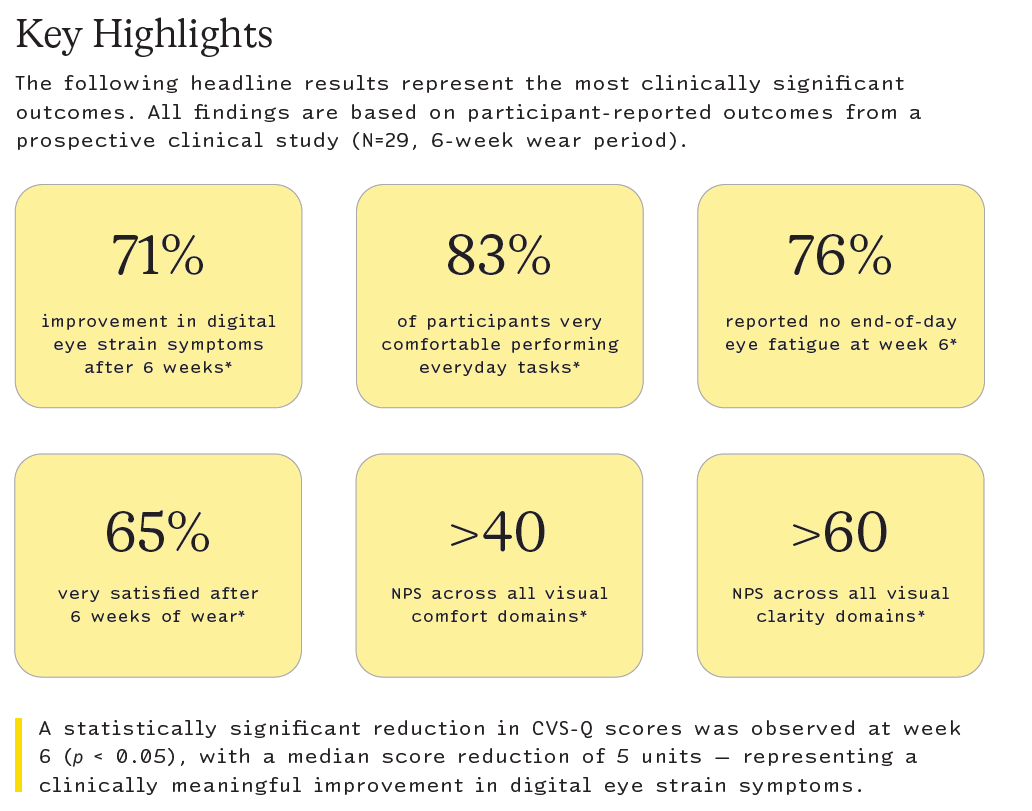
- Participants experienced an average 71% reduction in digital eye strain symptoms
- 76% reported no end-of-day eye fatigue
- 83% said Sequel PAL was very comfortable for performing everyday tasks
Newton said the findings reinforce the company’s ongoing commitment to developing clinically supported technologies designed to improve patient comfort and vision performance. The study also builds on recent research examining the impact of Neurolens technology on headaches and symptoms linked to eye misalignment. The results may have important implications for optometrists and eye care professionals seeking more effective solutions for patients who spend long hours on digital devices.
Unlike traditional progressive lenses that primarily provide accommodative support through added magnification power, Sequel PAL incorporates Convergence Boost technology designed to address both accommodative and vergence demands associated with extended screen use. Newton said this dual-support approach helps wearers maintain more comfortable vision during prolonged near work and digital tasks.
The 6-week study was conducted at six clinical sites across the United States and included participants age 40 and older who were already established progressive lens wearers and used digital devices for at least four hours daily.
Thirty participants enrolled in the study, with 29 completing the full 6-week evaluation period. Researchers used the Computer Vision Syndrome Questionnaire (CVS-Q) to measure symptom severity at baseline and at follow-up. The reported 71% reduction in digital eye strain reflected a drop in median CVS-Q scores from seven at baseline to two after 6 weeks of lens wear. Statistical analysis confirmed the improvement was significant at p < 0.05.